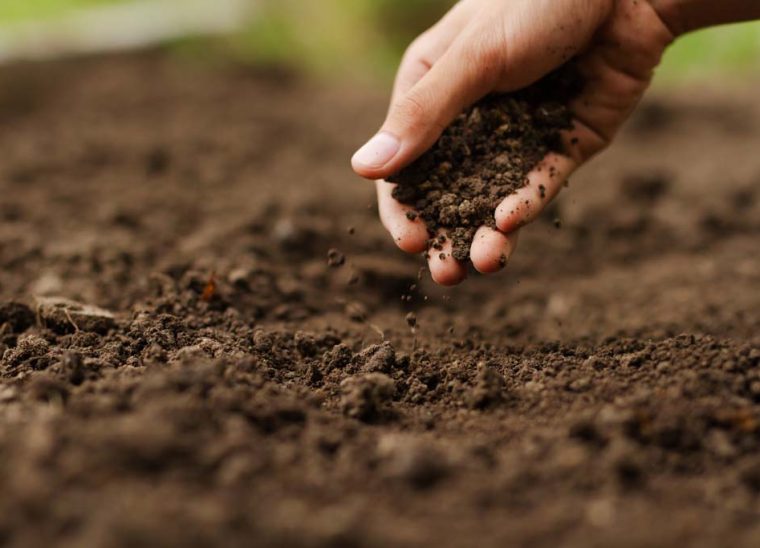
Innovative solutions for agriculture growth and soil health.
Our success depends on customers' success, so we are committed to building long lasting partnerships based on trust, collaboration, and foster true sustainable growth.
Tanzania faces soil health challenges like fertility depletion, erosion, and salinity, exacerbated by climate change and unsustainable farming practices, which threaten food security for its many smallholder farmers. To address this, the country is promoting sustainable practices such as adding organic manure, agroforestry, and building terraces. Projects like "ClimaSoilHealth-Tanzania" focus on improving institutional capacity and providing tools and training for farmers to implement these solutions. Research also highlights the importance of soil testing to tailor fertilizer use and the potential of organic amendments like compost and manure to improve soil quality and crop yields.
Challenges to soil health
Fertility depletion: Soils in many areas lack essential nutrients like nitrogen and organic matter.
Erosion: Accelerated erosion due to factors like poor land management and removal of vegetation cover leads to loss of topsoil and other vital soil properties.
Soil acidity and salinity: High levels of soil acidity and salinity can limit crop growth.
Climate change: Extreme weather events and changing climate conditions worsen existing soil degradation issues.
Lack of knowledge and resources: Smallholder farmers often lack the knowledge, technology, and funding needed to improve their soil conditions.
Management and solutions
Sustainable land management practices: Promoting practices such as:
Organic matter addition: Applying organic manure, compost, and crop residues to improve soil structure and fertility.
Agroforestry: Integrating trees into agricultural landscapes.
Terracing and contour farming: Building structures to control soil erosion and conserve water.
Soil testing:
Using low-cost, on-site soil tests to diagnose specific nutrient deficiencies.
Providing targeted fertilizer recommendations based on test results.
Fertilizer use:
Using inorganic fertilizers strategically to address deficiencies, but often in combination with organic amendments and soil health improvements.
Promoting balanced soil health management to reduce reliance on less distortive fertilizers in the long run.
Knowledge and capacity building:
Developing tools like soil health cards to help farmers monitor soil health.
Conducting awareness campaigns to educate communities on the importance of healthy soils.
Establishing “living labs” where farmers, scientists, and other partners collaborate on innovation.
USAID-supported trials: Field trials that demonstrated how soil testing and targeted subsidies can significantly increase maize yields on small-scale farms.