Parent material: The underlying rock from which the soil is formed is a primary factor.
Sedimentary variations: Variations in the deposition of sediments can lead to different soil textures.
Topography and location: The position on the landscape, as well as regional factors, influences texture and water-holding properties.
Soil-forming processes: The natural processes of soil formation also contribute to the final soil texture.
Banner Heading
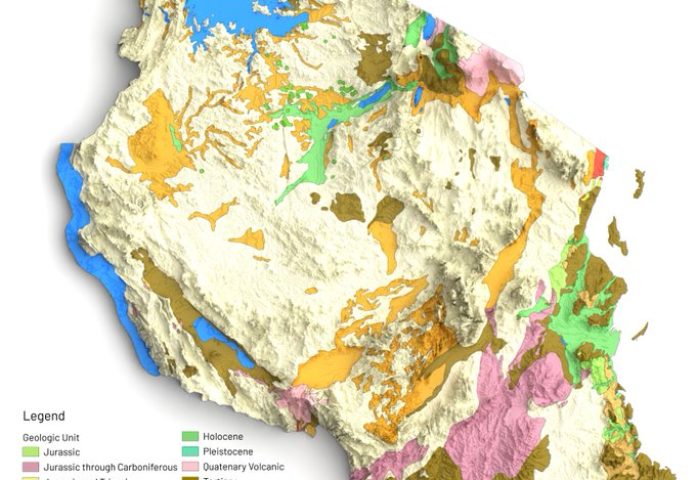
Our soil texture mapping is the process of creating a map that shows the distribution of soil types based on their sand, silt, and clay content. This can be done through digital mapping tools using existing soil databases, or by collecting field samples and using lab analysis or remote sensing data, with results often visualized in software using different colors for different soil texture classes. Soil texture maps are critical for land management, agriculture, and understanding soil properties like water retention and fertility.
Tanzania has a diverse range of soil textures, from sandy soils in coastal areas to clay loam and clay soils in volcanic regions and highlands. The specific texture varies by location due to factors like parent material, sedimentary variations, and topography.
Common soil textures by region
Coastal and sandy regions:
Predominantly sandy soils are found along the coast, suitable for grazing and crops like coconuts and cashews. These soils often have high permeability and low water and nutrient storage capacity.
Volcanic and highland regions:
Volcanic soils in the northern highlands are often a mix of textures, with some areas being clayey. These soils can be highly productive agricultural lands.
Mwanza and Tabora regions:
Soils in these northern regions are often derived from granite and gneiss.
Southeastern Tanzania:
The coastal dissected plains and hills have dark, cracking clay soils, while the plateaus feature highly weathered sandy soils that are good for cashew production.
Dodoma:
Soils here are often a mix of sandy, loamy, and clayey textures, with moderate water-holding properties.